
Part II of ‘Why are so many people that we know getting sick all the time?
By inducing chronic inflammation, immuno-senescence, and neuro-inflammation, SARS-CoV-2 Spike protein pathogenicity may exacerbate the processes of neuro-immune ageing, leading to increased risks of cognitive decline, neuro-degenerative diseases, and impaired immune function.
In the previous newsletter, we saw that long COVID and a phenomenon known as spikeopathy might not only mimic, but also exacerbate, the natural ageing process and dysfunction in the immune system. This ageing process is known as immune senescence, the gradual deterioration and decline in effectiveness of our immune system. When this happens prematurely, then we have a markedly less effective immune system to keep us safe from infections and diseases.
Key factors include chronic immune dysregulation, oxidative stress, neuro-inflammation, and the disruption of cellular processes.
In the previous newsletter, we saw that long COVID and a phenomenon known as spikeopathy might not only mimic, but also exacerbate, the natural ageing process and dysfunction in the immune system. This ageing process is known as immune senescence, the gradual deterioration and decline in effectiveness of our immune system. When this happens prematurely, then we have a markedly less effective immune system to keep us safe from infections and diseases.
Neuro-inflammation
Besides immune dysfunction there is another facet that contributes to the illness that we see all around us in family, friends and colleagues, namely the premature ageing of the neurological systems, potentially accelerating the onset and progression of what are normally regarded purely as age-related diseases.
By inducing chronic inflammation, immuno-senescence, and neuro-inflammation, SARS-CoV-2 Spike protein pathogenicity may exacerbate and accelerate the processes of neuro-immune ageing, leading to increased risks of
- cognitive decline,
- neuro-degenerative diseases, and
- impaired neuro-immune function.
Key factors include
- chronic immune dysregulation (as discussed in detail in my previous newsletter),
- oxidative stress,
- neuro-inflammation, and the
- disruption of cellular processes.
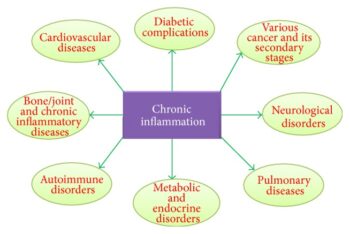
Figure 1. Chronic inflammation affects many bodily systems
In case you are unfamiliar with these terms, here is an explanation of some of them.
- Immuno-senescence is a process of immune dysfunction that occurs with age and includes remodeling of lymphoid organs, leading to changes in the immune function of the elderly, and is a key player in degenerative disease development. With regard to this topic of family, friends and acquaintances suffering from frequent illnesses, we are looking at a premature immuno-senescence, that is premature ageing of the immune system and its responses.
- Neuro-inflammation is a complex response to harmful brain stimuli involving the activation of glia (brain cells function mainly to modulate neuron function and signaling), release of inflammatory mediators, such as cytokines and chemokines, and generation of reactive oxygen species (ROS) or free radicals, that are damaging to brain tissue.
- Neuro-immune ageing: the neuro-immune environment changes with age: the brain undergoes a gradual shift from a homeostatic, immune-dampened state toward a more pro-inflammatory neuro-immune environment.
Premature ageing due to inflammation – ‘Inflamm-ageing’
What we are observing are individuals developing inflammageing, a condition characterized by elevated levels of blood inflammatory markers, that carries high susceptibility to chronic illness, dysfunction and frailty. Normally, as the term implies, we would be expecting to see this process developing in an aged population. Now, however, we are observing inflammageing in a younger population, the 35-55 year old population. Potential exacerbating mechanisms of inflammageing include
- genetic susceptibility
- central obesity
- increased gut permeability
- changes to gut microbiota composition
- cellular senescence (senescence is a process by which a cell ages and permanently stops dividing but does not die)
- NLRP3 inflammasome activation (initiating inflammation)
- oxidative stress caused by dysfunctional mitochondria
- immune cell dysregulation
- chronic infections
- toxicity
Inflammageing is also a risk factor for cardiovascular diseases (CVDs), and clinical trials suggest that this association is causal, i.e. inflammageing causes CVD’s.
It is also a risk factor for chronic kidney disease, diabetes mellitus, cancer, depression, dementia, and sarcopenia (loss of muscle mass). Finally, the lingering symptoms of fatigue, pain, and difficulty thinking that can last for several years after COVID may well be caused by ongoing low-grade brain inflammation caused by the virus and/or spikeopathy.
New Yale University School of Medicine Study
SARS-CoV-2 Spike protein pathogenicity has been termed “spikeopathy,” suggesting the protein itself might cause damage or overstimulate immune responses producing chronic inflammation. This spikeopathy can be due to the spike protein of the virus itself, or as a new paper from Yale University Departments of Medicine and Immunobiology recognises, from the Covid vaccines, what the authors called Post Acute Covid-19 Vaccination Syndrome. (PACVS).
Three key Findings
Firstly, this pathogenicity can be caused by the full spike protein (S) or subunit proteins (S1) or (S2). In susceptible individuals, vaccines may contribute to long-term symptoms by multiple mechanisms. For example, vaccine components, such as mRNA, lipid nanoparticles (LNP’s), and adenoviral vectors, trigger activation of pattern recognition receptors. Thus, unregulated stimulation of innate immunity could lead to chronic inflammation.
Secondly, it has been shown that the spike protein (S) expressed following BNT162b2 or mRNA-1273 vaccination circulates in the plasma as early as one day after vaccination. Interaction with full-length S, its Subunits (S1, S2), and/or peptide fragments with host molecules may result in prolonged symptoms in certain individuals.
Thirdly, bio-distribution studies on mRNA–LNP platforms indicate its ability to cross the blood-brain barrier (BBB), and the local S expression could result in neuro-cognitive symptoms. Most notably, The Yale scientists found found elevated levels of spike (S1 and full length S) in circulation up to 709 days after vaccination among patients with PACVS, even in those with no evidence of detectable SARS-CoV-2 infection. For more on the Yale paper, click here.
Reducing inflammation
Given the crucial role of both acute and chronic inflammation in COVID-19, lipid nano particle and spike protein related neuro-immune ageing, anti-inflammatory therapies may offer potential benefits.
Over the counter (OTC) non-steroidal anti-inflammatory drugs (NSAIDs), and more heavy duty prescribed corticosteroids are examples of treatments that can reduce inflammation. NSAIDS have their own issues, especially with gastrointestinal upset, and corticosteroids are really only for short term use, as they suppress the immune system which in some cases is counter productive. Alternative natural anti-inflammatory supplements include Turmeric, Nano-curcumin, boswellia, quercetin and serrapeptase.
Modulating the immune system
Immuno-modulatory therapies that can restore immune function and reduce chronic inflammation may help mitigate the effects of SARS-CoV-2 Spike protein pathogenicity on immune aging (Shafqat et al., 2024; Tay et al., 2020; Wyss-Coray, 2016). Examples of such medical specialized therapies include cytokine inhibitors, immune checkpoint inhibitors, and senolytics, which selectively eliminate senescent cells (senescence is a process by which a cell ages and permanently stops dividing but does not die). Over time, large numbers of old (or senescent) cells can build up in tissues throughout the body, which is obviously injurious to health.
These therapies have the potential to improve immune function and reduce the risk of age-related diseases (Kirkland and Tchkonia, 2020; Müller and Di Benedetto, 2023a; Shafqat et al., 2024; Stahl and Brown, 2015). However, the timing and dosage of these therapies need to be carefully managed to avoid suppressing the necessary immune response to the virus. Natural alternatives include Glycine, methylene blue, progesterone, vitamin K.
In managing SARS-CoV-2 Spike protein pathogenicity, immuno-modulatory therapies must be carefully considered alongside pre-existing treatments for conditions, for example, like diabetes and cardiovascular disease, as these comorbidities may be occur in such patients. Certain immuno-modulatory agents may impact glucose metabolism, potentially interfering with glycaemic control in diabetic patients, while others could affect blood pressure regulation or lipid profiles, posing risks for cardiovascular patients (Alijotas-Reig et al., 2020; Bonilla et al., 2023). For example, corticosteroids, frequently used for inflammation, can exacerbate hyperglycemia and increase cardiovascular risks. On the other side, the anti-diabetic drug metformin may offer multiple therapeutic benefits for COVID-19, potentially improving treatment outcomes.
Beyond its primary role in lowering blood glucose and enhancing insulin sensitivity, metformin could inhibit viral entry, replication, and development, interfere with viral protein synthesis and host interactions, and modulate inflammation and immune responses in COVID-19 patients (Samuel et al., 2021). Understanding these interactions is essential to minimize adverse effects and optimize outcomes, necessitating tailored therapeutic strategies that account for the patient’s full medical profile.In terms of natural products, one could use Lactoferrin and Colostrum to inhibit both viral entry and replication.
Protecting the brain
Additionally, neuro-protective agents that can preserve neural function and prevent neuro-degeneration may also be beneficial for those dealing with SARS-CoV-2 Spike protein pathogenicity. These agents can include antioxidants, neurotrophic factors, and drugs that enhance synaptic plasticity. Clinical trials are needed to evaluate the efficacy of these agents in preventing or mitigating the long-term neurological effects of COVID-19. Powerful natural antioxidants include Nrf2, curcumin, green tea, polyphenols, vitamin C and NAC (N-Acetylcysteine).
Lifestyle interventions, such as regular physical activity, stress management, and a healthy diet, are crucial in mitigating the long-term effects of SARS-CoV-2 Spike protein pathogenicity on neuro-immune ageing. Mild to moderate exercise may have neuro-protective and anti-inflammatory effects, while a diet rich in antioxidants and anti-inflammatory compounds can boost immune and brain health (Di Benedetto et al., 2017; Shafqat et al., 2024). Whilst mild to moderate exercise helps to increase immune function, it is important to bear in mind that vigorous exercise may be counter productive, and actually reduce immune function.
Additionally, modifying the gut microbiome through dietary interventions—like prebiotics (which promote beneficial bacterial growth), probiotics (live beneficial bacteria), synbiotics (a combination of prebiotics and probiotics), and postbiotics (fermentation byproducts)—can promote healthy aging (Conway and Duggal, 2021; Ji et al., 2023).
The advantages of mitochondrial rejuvenation as an anti-ageing approach are illustrated by the positive effects of exercise and caloric restriction. These interventions lead to increased mitochondrial biogenesis and oxidative capacity, resulting in enhanced immuno-metabolic health. In mice, these benefits are associated with increased longevity and an extended healthy lifespan (Civitarese et al., 2007; Di Benedetto et al., 2017; Ross et al., 2019; Shafqat et al., 2024; Spadaro et al., 2022). Nutritional interventions to improve the electron transport chain and to optimise mitochondrial function include NAD+, Methylene Blue and Ubiquitin.
Managing stress
Stress management techniques such as mindfulness and meditation can reduce the psychological impact of the pandemic and support overall well-being. Combining meditation with practices like yoga has been shown to normalize levels of the pro-inflammatory cytokine TNF-α (Epel et al., 2016). Meditation also increases concentrations of the anti-inflammatory cytokine IL-10 and decreases levels of pro-inflammatory IL-12.
A meta-analysis revealed that mindfulness-based interventions positively affect cytokine levels related to low-grade inflammation characterized aging (Bower et al., 2015; Cahn et al., 2017; Carlson et al., 2003; Jang et al., 2017) . Studies investigating the effects of meditation on neurotransmitters and immune profiles have found various neuro-immune benefits (Sanada et al., 2020). Meditation may help patients by modulating pro-inflammatory to anti-inflammatory responses and decreasing the over-activation of the sympathetic nervous system, promoting relaxation (Carlson et al., 2003). Such methods stabilizing parasympathetic responses can be easily integrated into daily life to combat these long term spikeopathies (Porter and Jason, 2022).
The positive effects of regular exercise on neuro-immune heath include restored neuro-transmission, remyelination, enhanced Blood Brain Barrier (BBB) integrity, and improved immune responses (Phillips et al., 2014; Razi et al., 2022). Improved BBB permeability is achieved through changes in tight junction proteins, increased activity of surrounding astrocytes, enhanced oxidative capacity of microglia, and reduced inflammation (Chupel et al., 2018; Souza et al., 2017). Additionally, mild to moderate exercise reduces autoimmunity, mitigates chronic inflammation, and suppresses microgliosis by elevating levels of anti-inflammatory cytokines (Brandt and Pedersen, 2010; Gleeson et al., 2011).
If, as more and more papers are recognizing the spike protein is a key part of the problem by dysregulating the immune system and exacerbating inflammation, then removing the spike protein as much as possible makes a lot of sense. Three supplements that help remove spike protein from the body:
- Bromelain – 500 mg once a day Nattokinase and .
- Nattokinase -2,000 FU twice a day
- Curcumin – 500 mg twice a day
In conclusion, immuno-modulatory therapeutic strategies, regular physical activity, stress management, and a healthy diet can lead to positive changes in the nervous and immune systems, creating an anti-inflammatory environment and promoting homeostasis, which may help mitigate the adverse effects of chronic inflammation. While there is compelling evidence supporting the benefits of these interventions, optimal programs are still needed for individuals with persistent chronic symptoms. These programs should include personalized care plans across various health practitioner specialties, and controlled physical interventions to positively modulate disrupted neuroimmune responses, improve neuro-immune health and positively influence the SARS-CoV-2 Spike protein pathogenicity trajectory of ageing.